3 Things to Consider When Choosing a Semi-Truck Repair Shop
When you're entrusting a semi-truck to professional hands, the decision of where to send it for service becomes a strategic investment in uptime, safety, and long-term operational efficiency. A repair shop isn't just a maintenance stop — it's a critical operational partner. As you select a semi-truck repair facility, you want to align with a provider that delivers robust technical expertise, transparent communication, and reliable turnaround. In this blog post, we'll explore three foundational considerations that fleet managers, owner-operators, and logistics companies should prioritize to maximize value and minimize risk.
1. Assess Technical Expertise and Certification Credentials
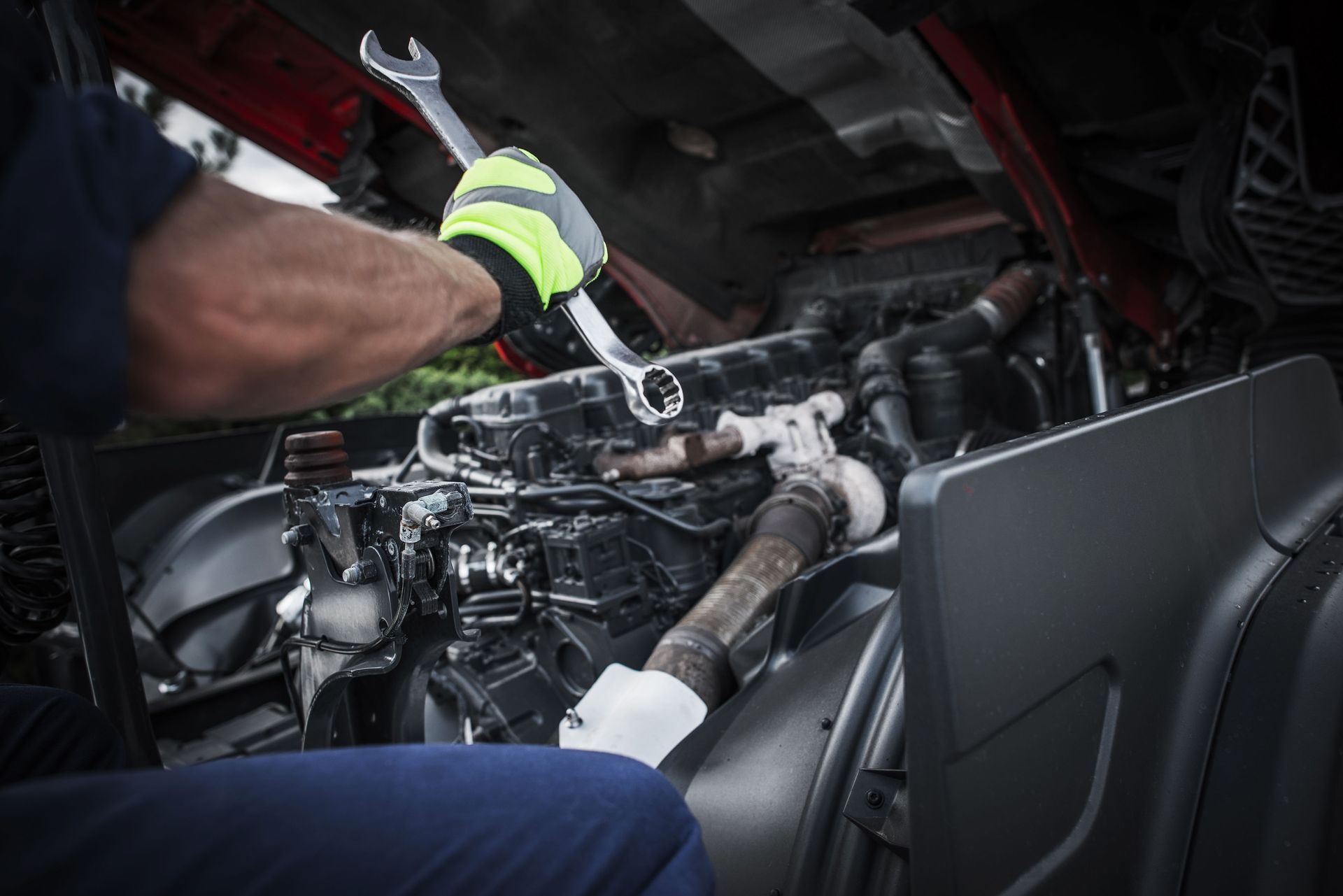
First and foremost, the technical proficiency of the repair shop is paramount. Semi-trucks are complex systems with heavy-duty diesel engines, advanced braking and air systems, and intricate electronics. Entrusting these systems to a facility with only basic automotive capability can lead to sub-optimal repairs or recurring issues — which ultimately costs both time and money. That's why evaluating technical expertise and certification credentials should be your first priority.
When you assess a shop's qualifications, look for staff with manufacturer certifications, diesel-specialist credentials, and experience working specifically on Class 8 vehicles. A shop with certified technicians understands the rigorous tolerances and maintenance requirements of heavy-duty trucks, from engine calibration to brake system integrity. Their familiarity with semi-truck systems gives them the ability to diagnose complex issues accurately, reducing the risk of misdiagnoses or patchwork fixes.
Moreover, consider how long the shop has been operating, and how deep its institutional knowledge runs. A shop that has serviced a variety of makes and models over many years likely has encountered — and resolved — a wide array of mechanical failures and preventative maintenance challenges. This history translates into refined diagnostic and repair workflows, enhanced parts sourcing efficiency, and a proactive maintenance outlook.
Working with a shop that advertises its proficiency in heavy-duty truck maintenance — rather than generic auto repair — provides a better value proposition. Because although the term "auto repair" conjures images of everyday passenger-vehicle maintenance, the demands of semi-truck repair are significantly different. The ideal shop should treat heavy-duty service as a specialized vertical, not as an afterthought tacked onto standard auto repair operations.
2. Validate Equipment Capability and Parts Inventory Capacity
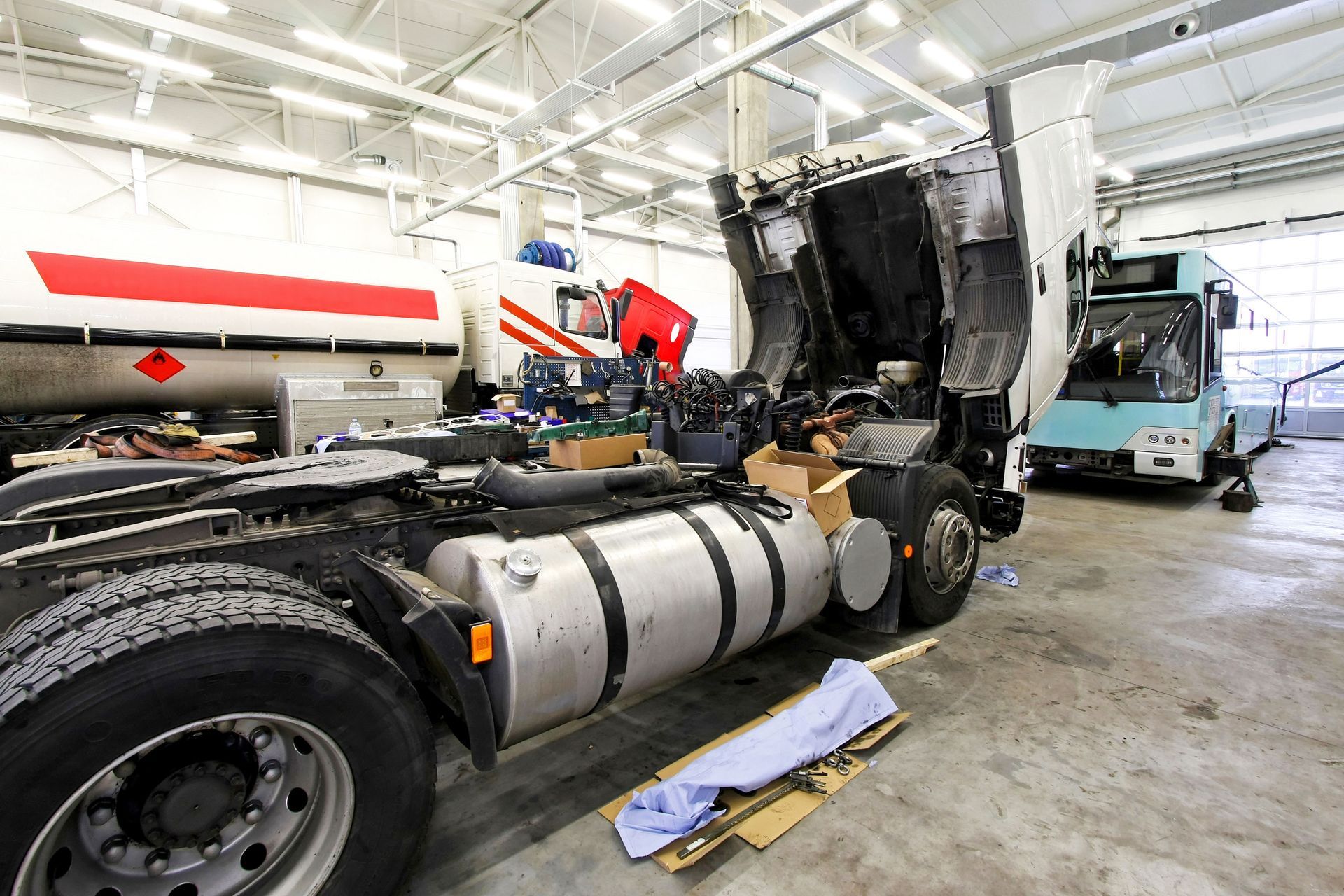
Beyond human expertise, the physical infrastructure of the repair facility plays an equally critical role. A fully equipped shop — with heavy-duty lifts, load-bearing flooring, large-bore pneumatic tools, and diagnostic technology tailored for semi-trucks — ensures services are completed with precision, safety, and scale in mind. Evaluating the repair shop's equipment capability and parts inventory capacity helps guarantee that you're not delayed by logistical constraints or forced into temporary or incompatible repairs.
For example, a shop without heavy-duty lifts may be unable to access undercarriage components properly or may rely on jack stands — a workaround that compromises safety and prolongs downtime. Similarly, the availability of a comprehensive parts inventory — including OEM-quality diesel engine components, brake drums, air-system parts, and heavy-duty tires — significantly reduces turnaround time. When parts are readily available on-site, delays associated with shipping or sourcing from distributors are minimized.
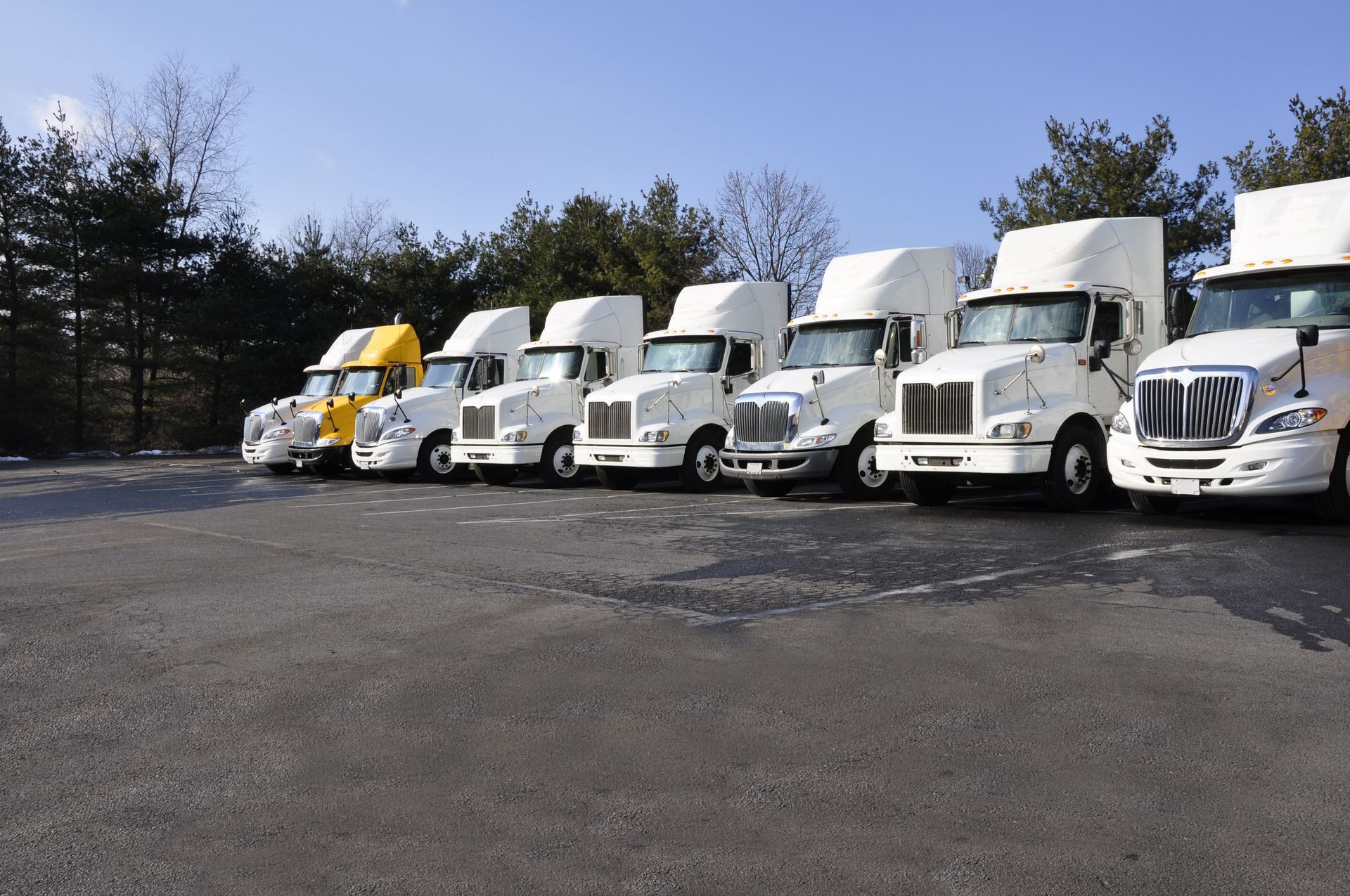
Furthermore, a repair shop with scalable infrastructure demonstrates a commitment to supporting fleet-level operations. If you manage multiple trucks or operate across a region, an under-equipped shop may handle one vehicle at a time, increasing bottlenecks and drag in the entire maintenance pipeline. Conversely, a facility designed for high-volume semi-truck repair can allocate resources effectively, allow concurrent jobs, and meet demanding schedules.
In short, validating infrastructure readiness and inventory capacity ensures a shop can deliver more than just a patch — it can deliver sustainable results, consistently. While many general-purpose shops market themselves under the banner of "auto repair," you should clarify whether their equipment and stock are tailored for heavy-duty trucking. The term "auto repair" carries broad connotations, but in the world of semi-trucks, not all auto repair shops are created equal.
3. Guarantee Transparent Communication and Turnaround Efficiency
The final pillar in your decision-making rubric should be transparent communication and efficient turnaround. In any logistics operation, downtime is not just a delay — it's a direct hit on revenue, schedule integrity, and client trust. As such, the facility you choose should operate with a high degree of transparency and professionalism.
Transparent communication begins at the first point of contact: do they provide a detailed inspection, a clear explanation of issues, parts required, and estimated costs? Do they outline expected turnaround times and potential delays due to parts backorders or freight scheduling? These are not conveniences — they are operational imperatives. A repair shop that frames itself merely as a general "auto repair" provider may lack structured workflows for heavy-duty jobs, leading to opaque timelines and surprise expenses.
Efficiency in turnaround is equally important. Heavy-duty repairs must proceed through logically sequenced steps: diagnostics, parts procurement, quality checks, and final testing. A facility that has optimized these workflows reduces idle time for your asset. Additionally, a shop with a robust scheduling system — one that can handle multiple trucks simultaneously while maintaining transparency — ensures that your fleet isn't left waiting.
Equally important is clarity in cost breakdown and warranty provisions. A strong repair partner should provide a breakdown of labor, parts, and any auxiliary charges. They should also offer warranties on parts and workmanship, giving you recourse in case of early failure. This level of professionalism distinguishes high-caliber semi-truck repair operations from general auto repair shops that may not offer such guarantees.
Communication extends beyond the repair bay. A shop should also provide periodic updates — especially for longer jobs — and be responsive to follow-up questions after the job is complete. This helps in building a long-term maintenance partnership instead of a one-time transaction. When repairs are transparent, documented, and delivered promptly, you can better coordinate logistics, minimize truck downtime, and preserve profitability.
Selecting a semi-truck repair shop is far more than a routine decision — it's a strategic choice that affects your fleet's operational integrity, safety standards, and bottom line. By assessing technical expertise and certification credentials, validating equipment capability and parts inventory capacity, and guaranteeing transparent communication and efficient turnaround, you align your maintenance operations with excellence and reliability.
It's worth noting that the broader auto repair sector is massive and diverse: According to Gitnux, the auto repair industry in the United States has over 168,000 businesses in operation. Among this sea of options, only a subset possesses the specialized infrastructure, heavy-duty expertise, and operational discipline required for semi-truck maintenance. Therefore, you must treat selection with a due diligence mindset — don't settle for general-purpose "auto repair" when your trucks demand more.
When you partner with a repair shop that understands heavy-duty standards, invests in advanced equipment, and commits to transparent communication, you're not just getting maintenance — you're establishing a strategic alliance that supports uptime, compliance, and long-term cost control. In the fast-paced world of logistics and transportation, that alliance can make the difference between idle fleets and lean, profitable operations. Prioritize these three considerations, and you'll be well-positioned to secure your fleet's future with confidence. If you're looking for an auto repair shop, don't hesitate to contact Cain's Truck & Trailer Repair today. Our team of highly skilled technicians brings over 120 years of combined experience to the table, ensuring that every repair is handled with utmost precision and care. We're not just about fixing vehicles; we're about building relationships. Get in touch today!



Share On: