10 Things to Look for When Choosing a Fleet Maintenance Provider
Keeping a fleet of vehicles on the road requires more than routine service. It demands coordination, technical knowledge, and a provider that understands how downtime affects schedules, safety, and profitability. Whether a fleet includes light-duty vehicles, medium-duty vans, or heavy-duty trucks, maintenance decisions directly influence operating costs and long-term performance. Even small inefficiencies can compound over time when multiplied across dozens or hundreds of vehicles.
Fleet maintenance is also closely tied to reputation and reliability. Missed deliveries, delayed service calls, or unexpected breakdowns can disrupt customer relationships and strain internal operations. Choosing the right fleet maintenance provider is not just a logistical choice; it is a strategic one that supports reliability, accountability, and business continuity across every department that depends on those vehicles.
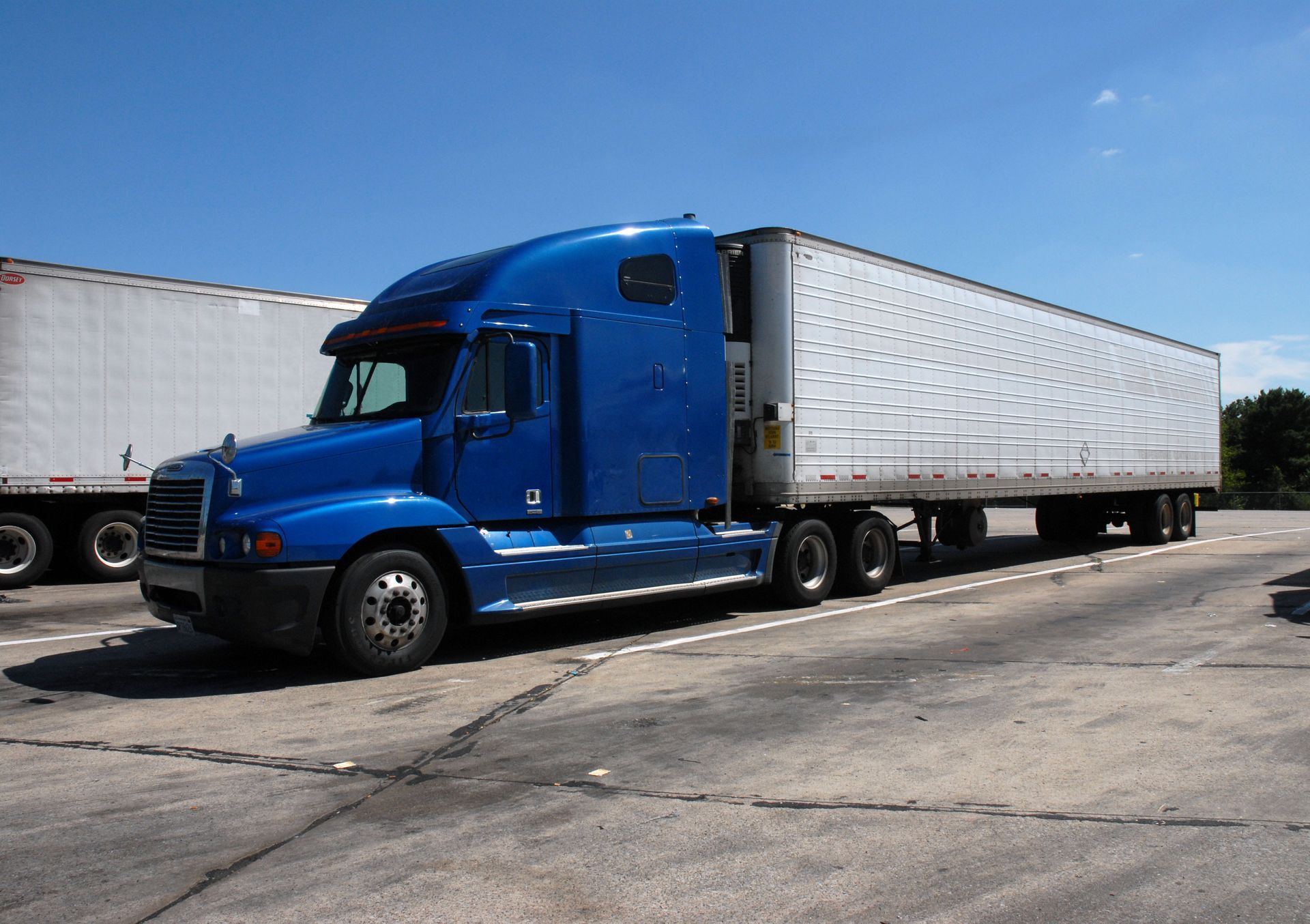
With millions of commercial vehicles operating across the country, fleet operators face no shortage of service options. According to Truck Info, there are around 2.9 million registered semi-trucks in the United States. That scale makes quality maintenance essential, particularly for fleets operating heavy-duty equipment that experiences constant use and higher mechanical stress. This is especially true when it comes to advanced services like diagnostics and semi truck engine repair, where accuracy and experience play a direct role in performance and longevity. In this article, we'll break down the most important things to look for when choosing a fleet maintenance provider so you can make a confident, informed decision.
1. Experience With Fleet-Specific Operations
Not all maintenance providers are equipped to handle the demands of fleet operations. Fleet maintenance involves managing multiple vehicles at once, coordinating service schedules, and keeping downtime as low as possible across an entire lineup. Providers with fleet-specific experience recognize that servicing a single vehicle is very different from supporting an entire operation with ongoing needs.
An experienced provider understands preventative maintenance cycles, mileage-based service planning, and compliance requirements tied to commercial vehicles. They are also familiar with common wear patterns caused by long routes, frequent stops, and heavy loads. This background becomes especially valuable when addressing advanced needs such as semi truck engine repair, where delays or misdiagnosis can affect not just one vehicle, but delivery schedules and revenue across the fleet.
2. Comprehensive Service Capabilities
A strong fleet maintenance provider should offer a wide range of services under one roof. Comprehensive capabilities reduce the need to coordinate with multiple vendors, saving time and simplifying communication.
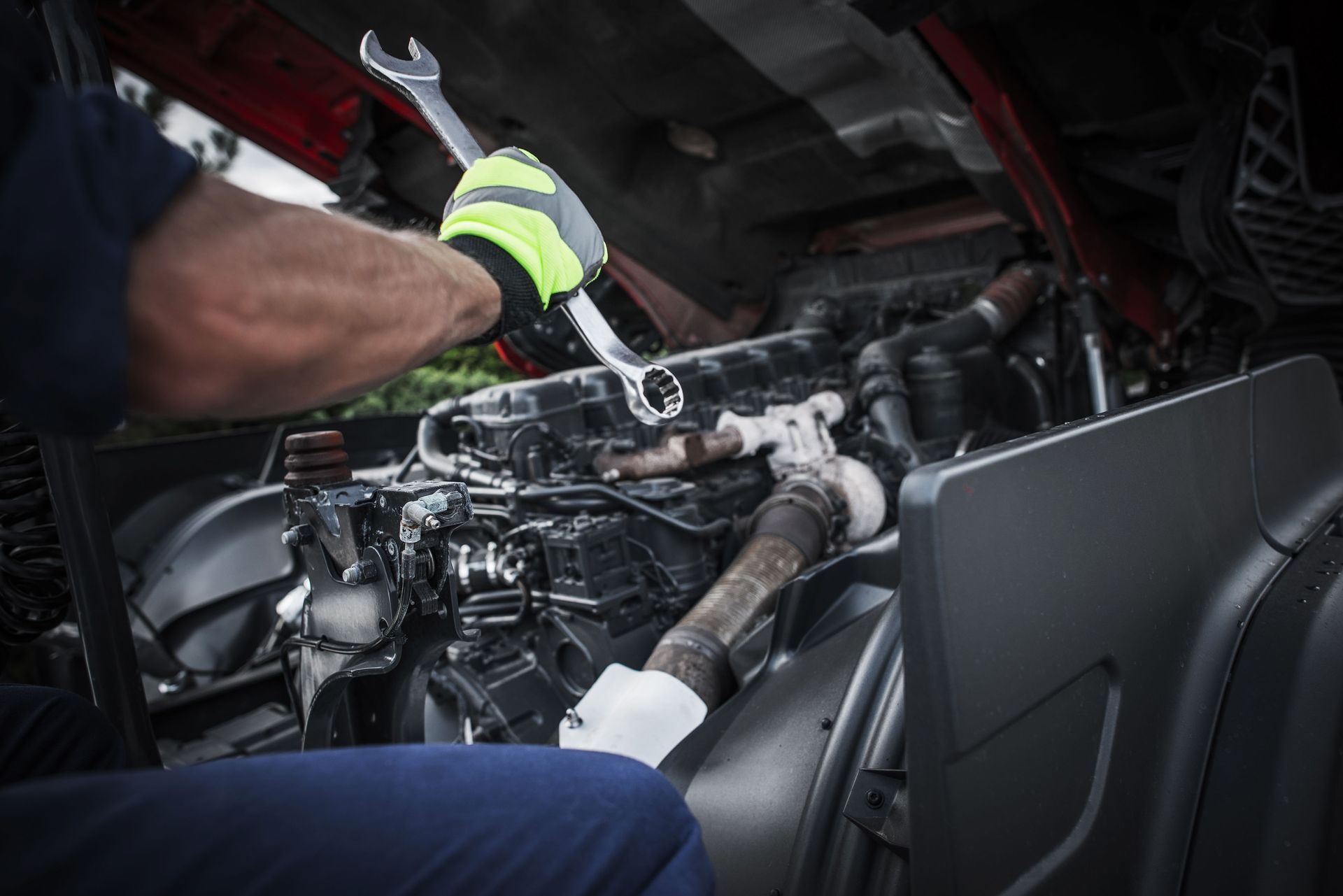
For fleets that rely on heavy-duty vehicles, access to advanced diagnostics and engine services is critical. Providers that handle semi truck engine repair alongside routine maintenance can identify issues early and address them before they escalate into costly failures. This integrated approach supports consistent vehicle performance across the fleet.
3. Preventative Maintenance Programs
Preventative maintenance is one of the most effective ways to control costs and extend vehicle life. A reliable fleet maintenance provider offers structured maintenance programs tailored to fleet size, vehicle type, and usage patterns. These programs help prevent unexpected breakdowns and keep service intervals predictable.
Rather than reacting to problems after they occur, preventative strategies focus on early detection. This is especially important for components like engines, where timely service can reduce the likelihood of major repairs. Well-designed programs often include detailed reporting, helping fleet managers track trends and plan ahead.
4. Diagnostic Technology and Equipment
Modern fleet vehicles rely on advanced onboard systems that require specialized diagnostic tools. A qualified maintenance provider invests in up-to-date equipment that can accurately identify issues across different makes and models. This capability reduces guesswork and speeds up the repair process.
Advanced diagnostics are particularly important for engine-related concerns. Accurate assessments allow technicians to address the root cause of problems rather than symptoms alone. For fleets that depend on consistent performance, this level of precision supports reliable semi truck engine repair and minimizes repeat visits.
5. Qualified and Trained Technicians
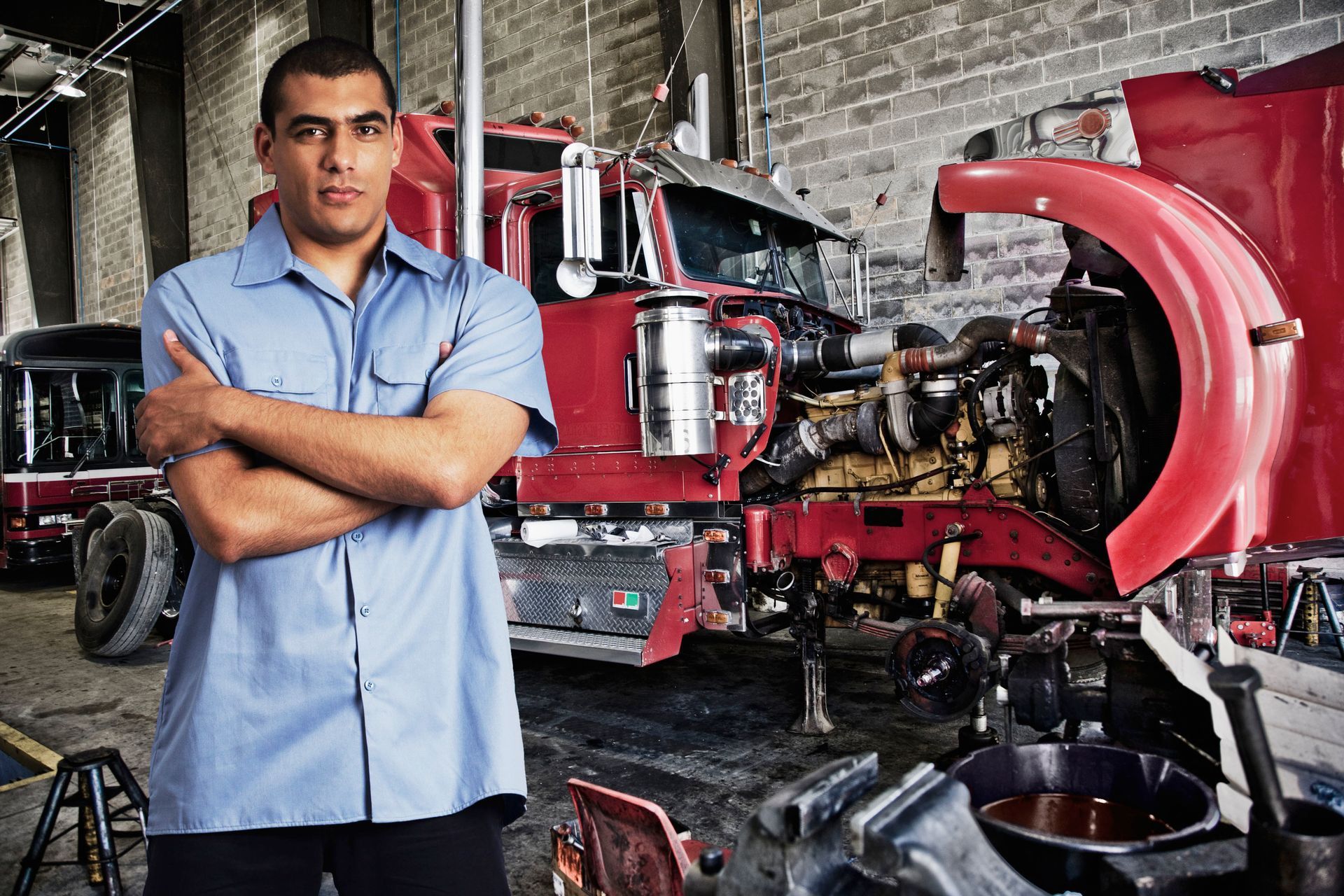
The skill level of technicians directly affects maintenance quality. A reputable fleet maintenance provider employs trained professionals who stay current with evolving vehicle technologies. Ongoing training allows technicians to handle both traditional mechanical systems and newer electronic components.
Skilled technicians are better equipped to work efficiently without compromising accuracy. This matters when servicing complex systems or performing detailed repairs. Consistent training and certification indicate a provider's commitment to quality and long-term partnerships with fleet operators.
6. Turnaround Time and Downtime Management
Downtime is one of the biggest challenges in fleet management. Every hour a vehicle is out of service can disrupt schedules and increase costs. When evaluating providers, it's important to understand how they manage turnaround times and prioritize fleet clients.
Efficient providers use scheduling systems, parts availability, and clear communication to keep repairs moving. This becomes especially important during extensive services like semi truck engine repair, where delays can quickly add up. A provider that values uptime helps fleets maintain productivity and meet delivery commitments.
7. Transparency in Pricing and Reporting
Clear pricing structures and detailed service reporting build trust between fleets and maintenance providers. Transparent estimates help fleet managers plan budgets and avoid unexpected expenses. Itemized invoices and service summaries provide insight into what work was performed and why.
Detailed reporting also supports long-term planning. Maintenance records reveal patterns, highlight recurring issues, and inform replacement decisions. Providers that share this information openly contribute to smarter fleet management and more accurate forecasting.
8. Parts Quality and Availability
The quality of replacement parts plays a major role in vehicle reliability. A dependable fleet maintenance provider uses parts that meet or exceed manufacturer standards. Access to reliable suppliers helps reduce wait times and supports consistent repair quality.
Parts availability becomes critical during major repairs. Providers that maintain strong supply chains can complete services more efficiently, even for specialized components. This level of preparedness is especially valuable when addressing engine-related work that requires precision and compatibility.
9. Compliance and Safety Awareness
Fleet vehicles are subject to regulatory standards that affect inspections, emissions, and operational safety. A knowledgeable maintenance provider understands these requirements and incorporates compliance into their service approach. This helps fleets avoid violations and maintain roadworthiness.
Safety-focused providers emphasize thorough inspections and documentation. They recognize that maintenance decisions influence not only vehicle performance but also driver safety and public trust. This awareness is essential for fleets operating across multiple jurisdictions.
10. Communication and Customer Support
Strong communication sets top-tier providers apart. Fleet managers benefit from clear points of contact, regular updates, and proactive recommendations. A provider that communicates effectively reduces uncertainty and helps decision-makers respond quickly to changing needs.
Customer support also reflects a provider's reliability. Whether coordinating routine service or addressing unexpected issues, responsive communication supports smoother operations. Providers that treat fleet maintenance as a partnership tend to deliver more consistent results over time.
Selecting the right fleet maintenance provider requires careful consideration of experience, capabilities, communication, and long-term value. From preventative maintenance programs to advanced diagnostics and qualified technicians, each factor contributes to vehicle reliability and operational efficiency. With millions of commercial vehicles on the road, consistent maintenance plays a vital role in keeping fleets safe, compliant, and productive.
If you're looking for a provider that understands the demands of fleet operations and delivers dependable results, now is the time to evaluate your options. Partner with a team that prioritizes uptime, transparency, and quality service, and take the next step toward maintaining a stronger, more reliable fleet. Get in touch with our team at Cain's Truck & Trailer Repair today!





Share On: