Questions to Ask When Choosing an Auto Repair Company
Selecting the right auto repair company is fundamental for the longevity and performance of your vehicle, as well as your peace of mind. With countless service providers to choose from, making an informed decision becomes essential to ensure your vehicle receives the attention and quality service it deserves.
1. What is Your Company's Reputation and History?
A company's reputation effectively reflects its relationship with its customers and the wider community. Exploring customer reviews on platforms like Google, Yelp, or even social media provides insights into the tangible experiences of past clients. These reviews often reveal recurring themes that mirror the company's strengths and weaknesses, offering a realistic view of what to expect. Despite the occasional subjective negative review, patterns in feedback can give a clear indication of service quality. Therefore, it's imperative to comb through reviews to derive an understanding of the company's market standing.
Finding a standout provider is more important than ever, given the sheer size of the industry; according to IBISWorld, in 2024, there were more than 46,700 truck repair companies in the US. With so many options available, looking for official third-party validation can help narrow your search. Better Business Bureau (BBB) ratings, for example, provide a more official perspective on customer complaints and the quality of customer service offered by the company. BBB accreditation can highlight how well a company responds to issues and maintains ethical business practices. By analyzing these ratings and the company’s response to criticism, you can gauge their commitment to customer satisfaction and problem resolution. Consequently, BBB rankings can be a vital tool in your selection process.
The duration a company has been in operation can also offer valuable insights into its reliability and reputation. Companies that have sustained themselves over a significant period likely have a track record of satisfied customers. Furthermore, industry recognitions or awards can further validate the company's commitment to excellence. Additionally, confirming that the business holds all necessary licenses and certifications for legal operation is crucial. These factors collectively offer a comprehensive view of a company’s history and competence in delivering quality service.
2. What is Included in Your Services and Pricing?
Understanding what services a company offers and comparing them with your specific needs is a logical first step when evaluating an auto repair provider. Some repair shops might specialize in particular repairs, such as transmissions or bodywork, while others might offer comprehensive services. Thoroughly understanding the range of services helps you determine if a company can efficiently address your vehicle's needs, from routine maintenance to specialized repairs. Providing clarity in their service offerings showcases the company’s capabilities and promotes client confidence.
Transparency in pricing is just as critical as the scope of services offered. An honest dialogue about how estimates are calculated, inclusive of labor and parts, is essential when considering a repair provider. Unforeseen expenses can be frustrating; hence, companies that practice open pricing models are inherently more trustworthy. This openness typically extends to clear communication about estimates and the timeline of repairs to prevent any unwelcome surprises. Ultimately, transparent pricing practices ensure an unwavering trust between the business and the customer.
Additionally, asking about warranties and guarantees on parts and labor can provide extra assurance. Well-defined warranties serve as a pledge of the company’s confidence in the quality of its work and the durability of the parts used. Some companies also offer flexible payment options or financing plans, making repairs more accessible. Another noteworthy consideration is the source and quality of the replacement parts – whether they are original equipment manufacturer (OEM) parts or high-quality aftermarket options. All these considerations should align with your expectations of quality and budget compatibility.
3. How Do You Handle Customer Service and Communications?
Excellent customer service often separates exceptional auto repair shops from the mediocre ones. A business that emphasizes client interaction demonstrates a high regard for customer satisfaction. The initial point of contact – whether in person, over the phone, or online – can speak volumes about the priority the business places on customer care. Courteous and knowledgeable staff, ready to answer queries and explain services, create a welcoming atmosphere that fosters trust and reliability. Their willingness to engage could be an indicator of the overall client experience.
Upon commencing service, the mode of communication a shop offers becomes critical. Efficient, responsive communication channels, such as phone lines, emails, or online chats, are indicators of a company's operational effectiveness. An auto repair company that consistently updates clients on the progress of their vehicle repairs fosters confidence and reassurance. The availability of different communication modes gives clients options for interaction, catering to their preferences and enhancing the overall service experience. As such, these communication protocols have a significant impact.
Customer feedback is an invaluable resource that companies should proactively seek to refine and elevate their services. Acquiring this feedback and being amenable to discussing it highlights the business’s commitment to growth and customer satisfaction. Organizations that encourage feedback tend to build positive reputations for resolving complaints efficiently. Further, understanding how a company manages customer issues and resolves disputes satisfactorily reassures prospective clients of an unwavering commitment to quality service. Therefore, customer feedback loops and problem resolution approaches are integral to effective customer service.
4. What is the Facility and Equipment Like?
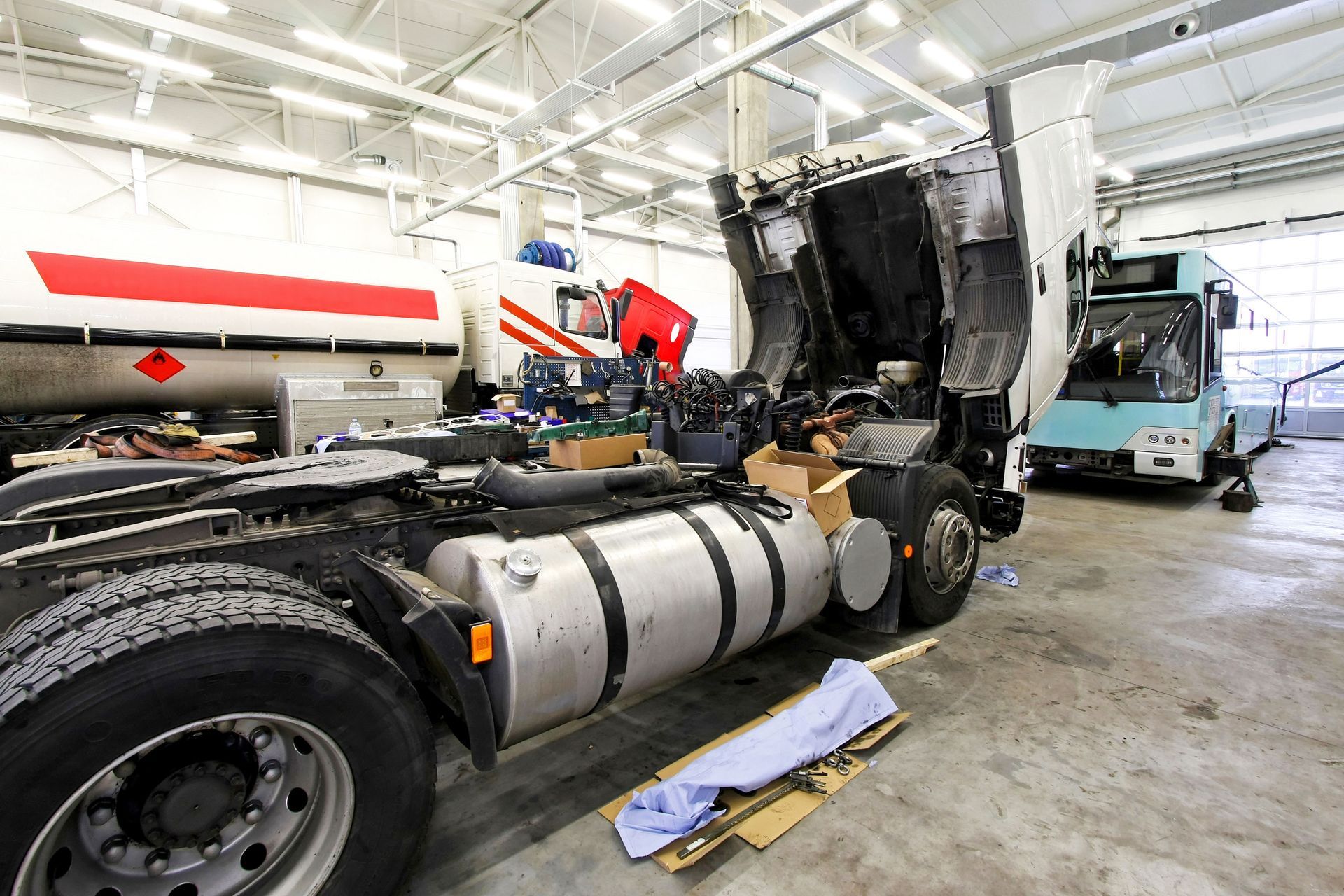
The presentation and organization of an auto repair facility reflect the company's valued ethics and professionalism. A clean, orderly shop signifies precision and care, both of which are vital traits in automotive repair services. Organization within a facility reflects the staff’s capability to manage tasks efficiently without causing damage or delays. Observing the maintenance of the facility can offer insights into how your vehicle will be treated during its stay. As such, these markers shouldn't be overlooked when assessing an auto repair facility.
Availability of up-to-date equipment is another sign of an adept repair shop. Modern tools not only increase efficiency but also ensure that repairs are done with greater accuracy. With the automotive industry constantly evolving, the obsolescence of older equipment may result in inadequate service delivery. Keeping pace with new technologies denotes the company’s dedication to providing competent and reliable solutions. Consequently, an investment in modern equipment and the deployment of updated tools is a positive sign of a forward-thinking repair company.
Safety standards should be diligently observed to protect both clients and vehicles. Strict adherence to safety protocols prevents unintended accidents, safeguarding the company, its employees, and their clients’ possessions. For example, evaluating whether the shop adheres to safety and environmental regulations when storing and handling vehicles provides insights into their operational standards. Checking the accessibility and security of storage facilities for vehicles staying overnight is also worthwhile. These considerations ensure vehicles are returned in pristine condition, reflecting the business's dedication to client satisfaction.
5. How Do You Approach Environmental Responsibility?
In today’s environmentally conscious world, a company's commitment to sustainability could be a deciding factor. Investigate how the company manages waste, including the disposal of oils, fluids, and scrap parts. Responsible waste management in compliance with regulations not only reduces environmental impact but also reflects the business's ethical practices. Recycling initiatives can highlight an organization's dedication to reducing its carbon footprint. Understanding waste disposal practices serves as a tangible indicator of the company's environmental responsibility.
Recycling practices can further exemplify a company’s dedication to sustainability. Many auto repair services participate in recycling programs that focus on salvaging parts and materials for reuse. Eco-friendly initiatives correlate directly with a company's values and corporate responsibility efforts. Therefore, recycling aligns with broader efforts to minimize environmental harm and supports global sustainability goals. Consequently, how a company handles recycling becomes a testament to its ethos and its commitment to responsible operations.
Choosing the right auto repair company involves evaluating various facets that contribute to quality service delivery. These include the qualifications and expertise of the technicians, the company’s reputation and history, the range and transparency of their services, customer service practices, facility standards, and environmental responsibility. Need auto repair services? Call us at Cain's Truck & Trailer Repair today to for more information.






Share On: