4 Ways Auto Repairs Improve Your Truck's Lifespan
Heavy-duty trucks endure intense physical strain from hauling substantial cargo across demanding terrain. Every mile traveled introduces friction, heat, and structural stress to mechanical assemblies. Without intervention, minor wear progresses into catastrophic failure that shortens vehicle longevity. However, when owners prioritize proactive auto repairs, they prevent minor wear from destroying expensive internal components. Corrective work transforms a deteriorating machine into a resilient asset capable of operating over hundreds of thousands of miles.
Long-term vehicle durability depends on systematic mechanical stewardship rather than luck. Operators who ignore early diagnostic signs face premature engine retirements and deformed frame structures. Addressing mechanical faults at their onset preserves factory engineering tolerances across every drivetrain system. By resolving component fatigue before it cascades through adjacent systems, truck owners protect their capital investment and maximize the total operating lifespan.
1. Addressing Engine Components to Preserve Mechanical Power
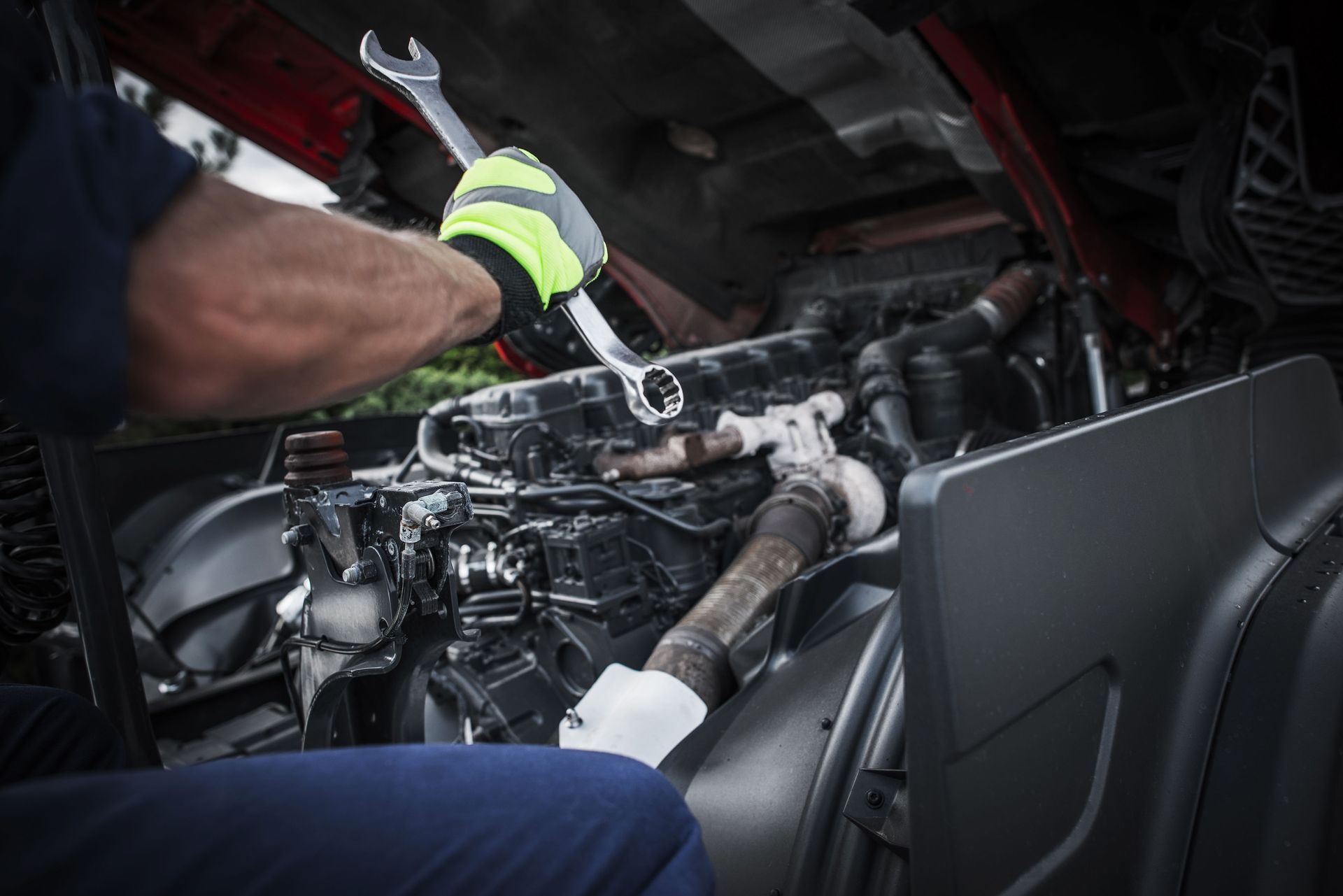
The powertrain serves as the mechanical core of any work vehicle, and internal combustion creates severe thermal and mechanical stress. Pistons, camshafts, and cylinder heads operate under extreme pressure while relying on clean lubrication to prevent metal-on-metal friction. Over time, seals harden, timing components stretch, and oil passages accumulate debris that restricts fluid flow. Leaving these imperfections unaddressed accelerates internal metal degradation and risks total engine seizure.
Replacing worn belts, gaskets, and fuel injectors before they fail maintains optimal cylinder compression. Addressing combustion irregularities through timely auto repairs prevents unburned fuel from washing protective oil films off cylinder walls. Clean fuel delivery ensures consistent power output without overloading the cooling or exhaust systems. Proper combustion management protects pistons and valves from excessive heat buildup during heavy towing cycles.
Fuel system type plays an important role in how long a powertrain survives under strenuous workloads. According to the US Department of Energy, diesel engines are more fuel-efficient than gasoline engines and can go 20% to 35% farther on a gallon of fuel. Because diesel powertrains operate at higher compression ratios, resolving minor injector or glow plug faults is essential to prevent localized cylinder block cracking.
Professional attention to check engine diagnostics stops minor sensors from causing improper air-fuel mixtures. A faulty oxygen sensor or air meter can force the engine control module into inefficient fuel trim settings that generate excess soot and heat. Changing degraded sensors keeps operating temperatures within safe thresholds and prevents exhaust system overheating. Disciplined engine maintenance extends the operational life of the entire propulsion assembly.
2. Resolving Suspension Issues to Protect Structural Integrity
A truck suspension system absorbs kinetic energy from potholes, uneven job sites, and heavy cargo loads. Leaf springs, shock absorbers, control arms, and bushings work together to keep tires in contact with the road surface while isolating the chassis from harsh impacts. When bushings crack or shock absorbers lose hydraulic pressure, the frame absorbs unchecked mechanical shocks.
Unrestrained road vibration transfers stress directly into frame rails, engine mounts, and cab hardware. Over extended periods, these repetitive impacts loosen fasteners, crack body welds, and distort drivetrain alignment. Drivers who ignore bouncing suspensions or clunking sounds expose the vehicle chassis to destructive forces that shorten its structural lifespan. Replacing exhausted damping components restores load distribution and eliminates chassis flex.
Investing in suspension-focused auto repairs stops excess vibration from damaging sensitive onboard electronics and radiator mounting brackets. When suspension geometry remains within factory specifications, weight transfers across all axles in balanced proportions during braking and acceleration. Proper wheel alignment also prevents steering linkage fatigue and keeps tie-rods from bending under stress. A stable chassis platform protects every undercarriage component from environmental and physical damage.
Wheel bearing and ball joint replacements represent critical structural interventions that prevent catastrophic wheel separation. Worn bearings generate intense friction and heat that can ruin steering knuckles and spindle assemblies. New joints and bearings keep wheels rotating with minimal friction without introducing wobbling forces into the suspension arms. Protecting structural geometry through proactive mechanical work ensures the frame remains straight and dependable across decades of service.
3. Servicing Brake Assemblies to Maintain Operational Control
Braking systems convert kinetic energy into thermal energy through friction between calipers, pads, and rotors. Heavy cargo loads increase the thermal demand placed on brake hardware during descent on steep grades. When brake pads wear down to their backing plates, metal-to-metal grinding gouges rotor surfaces and creates extreme heat buildup. Excessive friction heat warps rotor plates and degrades the protective seals around wheel calipers.
Completing necessary brake auto repairs restores full clamping force without requiring the caliper pistons to overextend. Replacing worn friction material before scoring occurs prevents hydraulic brake fluid from boiling inside the calipers. Boiling fluid introduces vapor bubbles into brake lines, which causes pedal fade and compromised stopping capabilities. Responsive braking hardware prevents accidents that would otherwise destroy the truck in an impact.
Sticking brake calipers cause constant drag against rotors, wasting engine power and overheating wheel hubs. The resulting thermal load cooks nearby wheel bearing grease and destroys axle seals. Rebuilding or replacing seizing calipers eliminates parasitic drag and prevents localized wheel heat from spreading into axle tubes. Balanced braking performance ensures that deceleration forces remain distributed across all wheels without straining individual suspension linkages.
Brake line inspections and hydraulic cylinder replacements prevent moisture contamination from eroding internal steel pipes. Water intrusion into brake fluid corrodes anti-lock braking valves and master cylinder bores, leading to eventual hydraulic failure. Flushing old fluid and installing fresh brake hardware protects sophisticated braking electronics from debris clogs. Maintaining the braking mechanism protects both the structural exterior and the mechanical drivetrain from accident damage.
4. Restoring Fluid Systems to Prevent Thermal Damage
Modern trucks rely on complex hydraulic and cooling fluid networks to regulate internal operating temperatures. Motor oil, transmission fluid, coolant, and differential lubricants provide chemical barriers against metal contact and thermal overload. As these fluids age, chemical additives break down, causing acidity to spike and sludge to form within narrow circulation passages. Contaminated liquids lose their heat-transfer properties and accelerate mechanical wear.
The cooling system requires unobstructed radiator cores and functioning water pumps to draw heat away from the engine block. Corroded water pumps or plugged radiators fail to circulate coolant, which leads to cracked cylinder heads and blown head gaskets. Replacing worn coolant hoses and thermostats prevents sudden pressure drops and coolant loss. Keeping temperatures stable protects metal engine blocks from warping under heavy work demands.
Scheduling fluid-related auto repairs before hoses rupture saves automatic transmissions from premature clutch plate burnout. Transmission gears generate immense heat when shifting under load, requiring clean hydraulic fluid to actuate valves without sticking. Installing new transmission filters and flushing oxidized fluid prevents varnish from coating internal solenoids. Clean fluid dynamics preserve smooth gear engagement and extend gearbox lifespan across many years of service.
Differential and transfer case seals prevent gear lubricants from escaping into the undercarriage. Low differential fluid levels cause hypoid gears to bind, overheat, and chip teeth during tight turns. Replacing leaking axle seals and replenishing gear lubricants protects drive axles from seizing under payload torque. Clean fluid maintenance ensures every rotating gear assembly operates within designed thermal and lubrication boundaries.
Consistent auto repairs serve as the foundation for preserving a truck across extended operational timeframes. Addressing wear across the engine, suspension, brakes, and fluid networks prevents localized faults from evolving into total system breakdowns. When truck owners replace failing parts early, the vehicle retains its original structural integrity, mechanical efficiency, and safety standards. Mechanical diligence transforms an ordinary utility vehicle into a durable long-term machine. When your vehicle needs proactive auto repairs to extend its lifespan, reach out to our team at Cain's Truck & Trailer Repair today. We look forward to helping you keep your heavy-duty truck running smoothly for hundreds of thousands of miles.



Share On: