Learn How Routine Semi Truck Repairs Increase Efficiency
Routine maintenance and timely semi truck repairs play a critical role in keeping commercial vehicles operating efficiently across demanding conditions. In the commercial trucking industry, vehicle performance directly impacts delivery schedules, operating costs, and overall fleet productivity. When trucks are properly maintained, they are less likely to experience unexpected downtime and more likely to perform consistently under heavy use. These factors make regular servicing an essential part of long-term operational planning.
A structured approach to inspection and semi truck repairs helps identify small mechanical issues before they develop into larger system failures. This supports smoother day-to-day operations and reduces unnecessary disruptions across individual units and entire fleets. It also helps maintain consistent performance across different operating environments and driving conditions.
Understanding Routine Maintenance
Foundational Maintenance Systems
Routine maintenance involves regular inspection and servicing of key vehicle systems, including the engine, transmission, brakes, electrical components, and drivetrain. Each of these systems plays a vital role in ensuring safe and efficient operation on the road. Consistent attention to these areas supports long-term dependability and reduces the likelihood of unexpected mechanical failures.
Consistent inspections help identify wear and mechanical issues early, allowing technicians to address them before they lead to breakdowns. This proactive approach is closely connected to effective semi truck repairs, as early intervention reduces the severity of required work. It also supports more predictable maintenance planning over time.
Safe Fleet Operations
Regular maintenance supports safer vehicle operation by ensuring that essential systems such as brakes, steering, and lighting remain functional. Proper upkeep helps reduce the risk of mechanical issues that could impact driver safety or road performance. These safety-focused inspections are a core part of responsible fleet management.
Routine inspections also help identify potential safety concerns before they become more serious problems. This supports responsible operation and helps maintain dependable performance across a fleet. In many cases, timely semi truck repairs help reduce exposure to avoidable operational risks.
Efficient Asset Management
Well-maintained trucks tend to remain in service longer and perform more consistently over time. Routine inspections and repairs help preserve the condition of key systems, extending the usable life of each vehicle. This contributes to improved asset utilization across operations.
This approach allows fleet operators to maximize the value of their vehicles by reducing premature wear and maintaining operational readiness. Ongoing semi truck repairs support sustained performance and help extend overall fleet lifespan.
Identifying Semi Truck Repair Needs
Critical Engine and Transmission Systems
The engine and transmission are two of the most critical systems in a semi truck. Regular maintenance helps ensure these components continue operating efficiently and reduces the risk of unexpected breakdowns. These systems require ongoing attention to maintain performance under heavy workloads.
Addressing early signs of wear, unusual performance, or mechanical irregularities helps prevent more significant issues from developing. Routine diagnostics and semi truck repairs support consistent engine performance and transmission reliability across long operating cycles.
Essential Brake Systems
Brake systems require regular inspection to ensure safe operation. Wear on brake pads, air system components, and related parts can affect stopping performance if not properly maintained. These components are essential for controlled and safe operation.
Routine brake service helps ensure strong stopping power and supports safe vehicle control under a range of driving conditions. Consistent semi truck repairs in this area help maintain system responsiveness and safety performance.
Reliable Electrical Systems
Electrical systems support many essential truck functions, including starting systems, lighting, and onboard components. Regular diagnostics help identify issues with batteries, alternators, wiring, and related systems. These systems are essential for consistent operation.
Early detection of electrical problems helps reduce the risk of unexpected failures and supports consistent vehicle operation. Timely semi truck repairs help maintain electrical system stability across different operating conditions.
Improving Fuel and Operational Efficiency
Optimized Engine Performance Systems
A well-maintained engine operates more efficiently and supports consistent fuel usage. Regular oil changes, inspections, and component checks help ensure the engine continues to perform as intended. This contributes to stable long-term performance.
Keeping engine systems in good condition reduces unnecessary strain and supports smoother overall operation. Ongoing semi truck repairs help maintain efficiency across key performance areas.
Balanced Mechanical Systems
When key systems such as brakes, transmission, and suspension are properly maintained, the vehicle experiences less overall strain during operation. This contributes to smoother performance and reduces wear on interconnected systems. Balanced system performance is essential for long-term efficiency.
Preventative maintenance helps ensure that each system works in balance with the others, supporting long-term operational stability. Regular semi truck repairs help reduce cumulative mechanical stress over time.
Supporting Fleet Operations
Advanced Computer Diagnostics
Modern diagnostic tools help identify performance issues across key vehicle systems. These tools allow technicians to detect fault codes and pinpoint mechanical or electrical concerns more efficiently. This improves repair accuracy and response time.
Accurate diagnostics support faster repair decisions and help ensure that issues are addressed correctly the first time. They are an important part of modern semi truck repairs.
Scheduled Maintenance Programs
Preventative maintenance focuses on scheduled servicing designed to reduce the risk of breakdowns. This includes routine inspections, fluid checks, and system evaluations. Structured maintenance supports consistent performance.
By following a structured maintenance schedule, vehicles are more likely to remain in consistent working condition over time. Preventative planning supports more effective semi truck repairs.
Coordinated Fleet Support
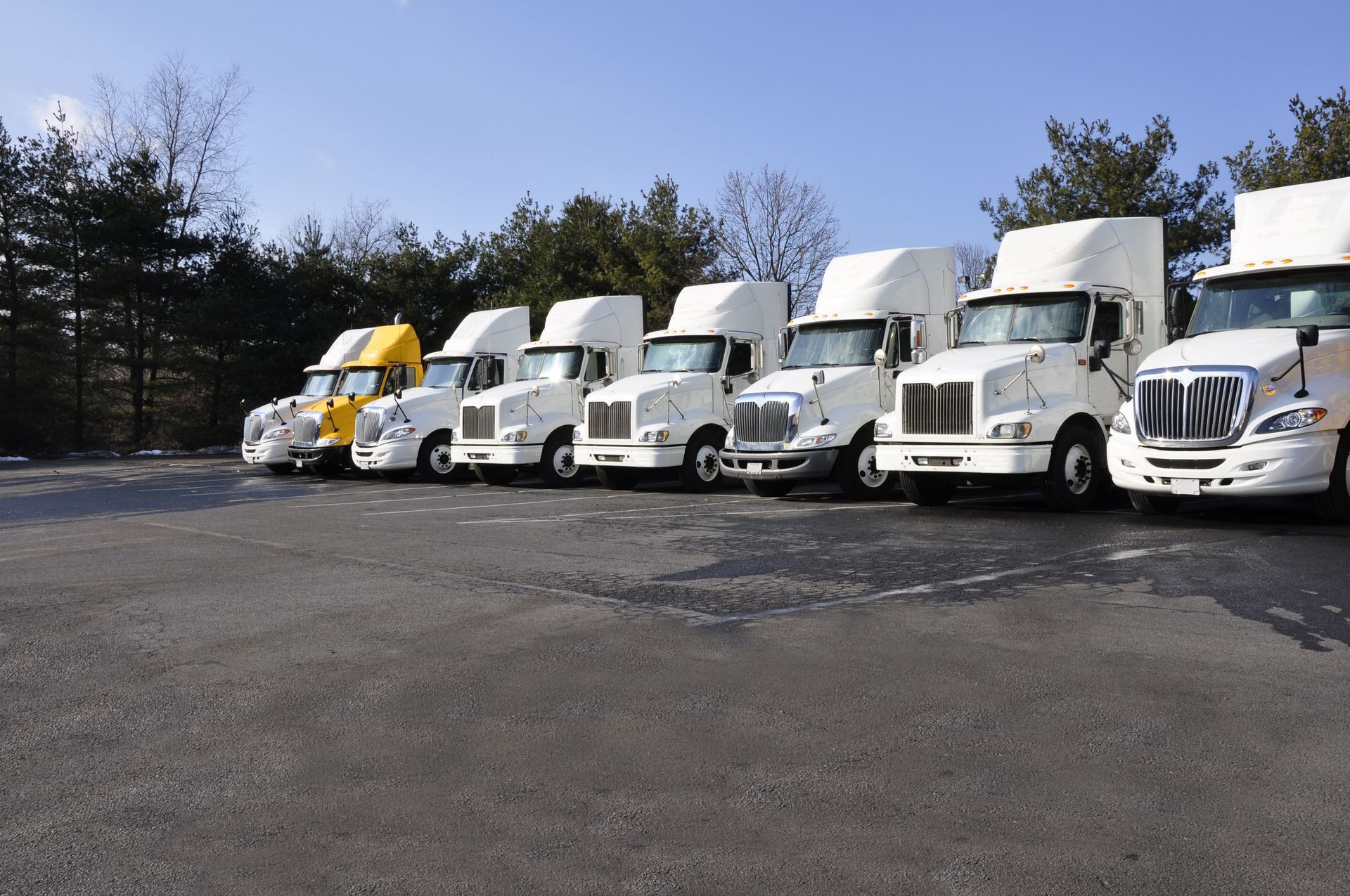
Fleet maintenance services help ensure that multiple vehicles are serviced consistently and efficiently. Coordinated maintenance schedules help reduce downtime across larger operations. This supports operational stability.
This approach supports reliability across a fleet and helps ensure that vehicles remain available when needed. Regular semi truck repairs help maintain fleet readiness.
Responsive Roadside Repairs
Roadside services provide support for trucks that experience breakdowns while in operation. These services can include on-site diagnostics and repair assistance when possible. This helps reduce delays during unexpected events.
Quick response to roadside issues helps reduce downtime and assists drivers in returning to operation more efficiently. Emergency semi truck repairs are essential for minimizing disruptions.
Controlled Temperature Systems
Heating, air conditioning, and refrigerated trailer systems all require routine maintenance to ensure proper operation. These systems are essential for driver comfort and cargo preservation when temperature control is required. This supports operational consistency.
Regular servicing helps maintain consistent temperature control and system performance during operation. These services are included within broader semi truck repairs that support specialized vehicle needs.
Routine semi truck repairs are essential for supporting efficient operations, maintaining safety, and helping extend the service life of commercial vehicles. With consistent inspections and timely service, trucking operations can minimize downtime, improve dependability, and keep performance steady across their fleet. According to Truck Info, the average semi-truck will get about 6.2 miles per gallon. Prioritizing preventative maintenance and resolving issues early helps reduce the risk of unexpected breakdowns and keeps vehicles operating more smoothly over time.
To learn more, Cain's Truck & Trailer Repair offers a full range of semi truck and trailer services, including diagnostics, engine repair, brake and electrical system maintenance, suspension work, preventative maintenance, fleet servicing, and roadside assistance designed to support consistent commercial vehicle performance. Our team works with a wide range of commercial vehicles to help keep essential systems operating properly under demanding conditions. Regular service and timely semi truck repairs help reduce downtime and support long-term dependability across your fleet.




Share On: